
Butterfly Bush (Buddleia davidii)
Every summer, our Butterfly Bush (Buddleia davidii) explodes into a beautiful display of purple flowers, and just as its name promises, it becomes a magnet for butterflies. It’s an incredible sight to see them fluttering around, and it's easy to understand why this plant is so popular. The pollinators certainly love it.
However, as we've learned more about gardening responsibly here in the Pacific Northwest, we've come to understand the complicated nature of this beautiful plant.
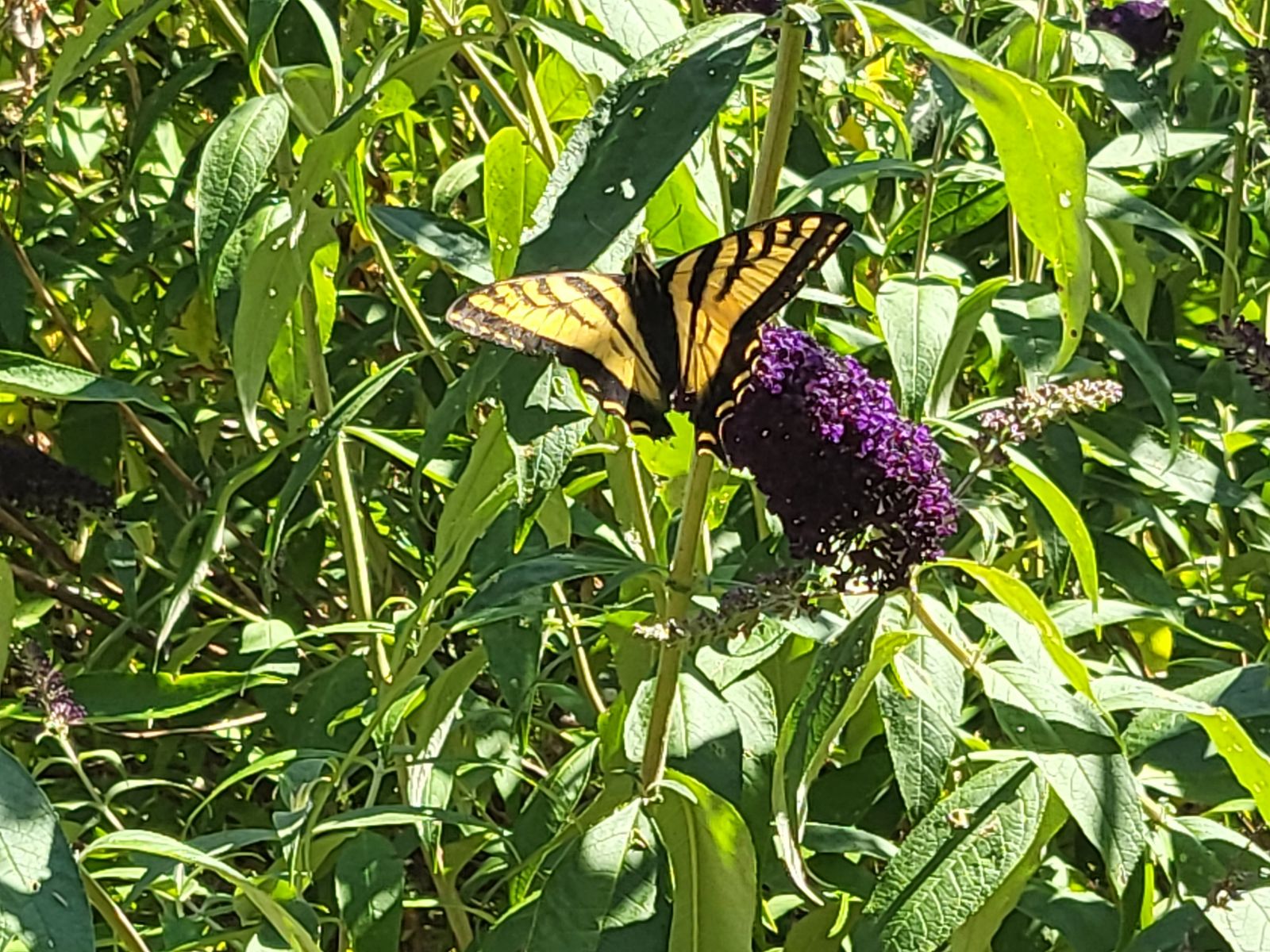
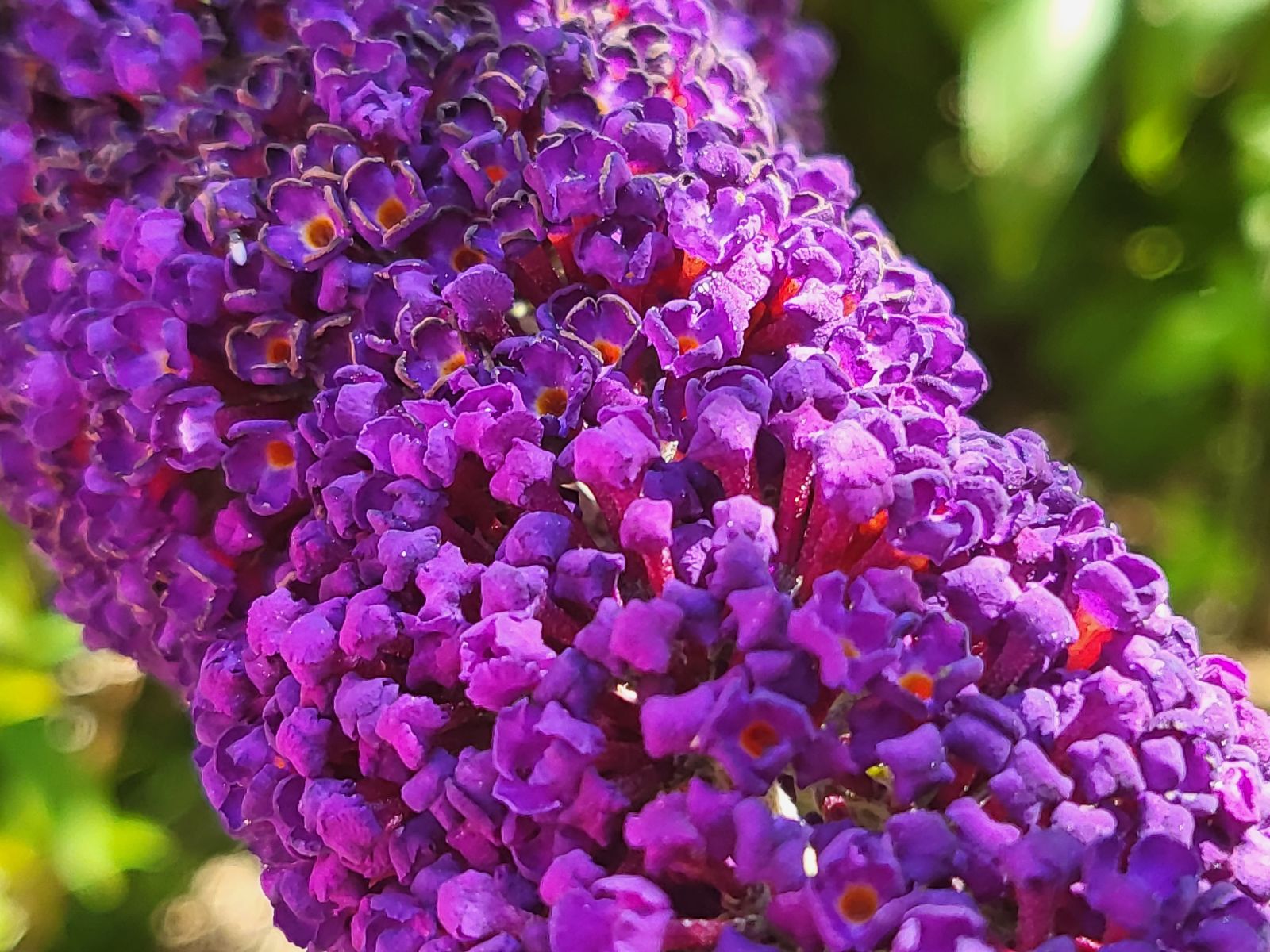
The Problem with Butterfly Bush (Buddleia davidii)
Despite its popularity, the common Butterfly Bush is classified as an invasive species in Washington and Oregon. The issue is that it spreads very aggressively along riverbanks and open spaces, crowding out native plants.
While adult butterflies drink its nectar, the plant itself is not a "host plant" for their caterpillars. This means it takes up space where native plants like milkweed or willow could be growing—plants that are essential for the survival and reproduction of our local butterfly populations.
What To Do If You Have One
For now, we are managing ours by "deadheading"—diligently cutting off the spent flowers before they can go to seed and spread. This is a crucial step to prevent it from escaping our garden. In the long term, we are planning to replace it with a non-invasive or native alternative that offers even more benefits to our local ecosystem.
Great Pollinator-Friendly Alternatives for the PNW
If you want to attract butterflies and other pollinators without planting an invasive species, our region is full of stunning native options:
- Ocean Spray (Holodiscus discolor): A beautiful shrub with cascading white flowers that pollinators love.
- Red Flowering Currant (Ribes sanguineum): One of the earliest spring bloomers, providing a vital food source for hummingbirds and early pollinators.
- Oregon Grape (Mahonia aquifolium): Offers bright yellow flowers in the spring and edible berries in the fall.
- Blueblossom Ceanothus (Ceanothus thyrsiflorus): Known as the "California Lilac," its blue flowers are absolutely covered with bees and butterflies when in bloom.
By choosing native or non-invasive sterile plants, we can create a garden that is not only beautiful but also a true sanctuary for our local wildlife through every stage of their life cycle.
