
Canning Lids 101: A Guide to Finding and Safely Using Your Supplies
If you're a home canner, you know the feeling. The garden is overflowing, your countertops are piled high with beautiful produce, and you go to the store only to find the canning aisle completely wiped out. The struggle to find jars and—especially—lids is real, and it can be incredibly frustrating.
During past shortages, we all had to get creative, freezing more produce and exploring alternatives. That experience taught me a lot about the importance of understanding canning supplies, especially the most crucial component: the lid.
This guide covers the essentials of canning lids to help you preserve your harvest safely and successfully, even when supplies are tight.
The Golden Rule: Why Standard Lids Are Single-Use
The most important thing to know about the standard, two-piece metal lids (like those from Ball® or Kerr®) is that the flat lid part is designed for one-time use only.
The lid has a sealing compound around the rim that softens during the canning process, creating a perfect airtight seal as it cools. Reusing that lid for a new canning project is unsafe because the compound will not create a new, reliable seal. This can lead to food spoilage and dangerous bacteria. Never take the risk!
(You can still reuse the screw bands/rings for years, as they don't touch the food).
What About Reusable Lids?
Reusable canning lids are a great, sustainable alternative. The most well-known brand is Tattler Lids. They consist of a plastic lid and a separate rubber gasket.
- Pros: They can be reused for years, making them a great long-term investment and reducing waste.
- Cons: They have a higher upfront cost and require a slightly different technique to get a proper seal. There's a learning curve, but many dedicated canners swear by them.
A Note on Weck Jars
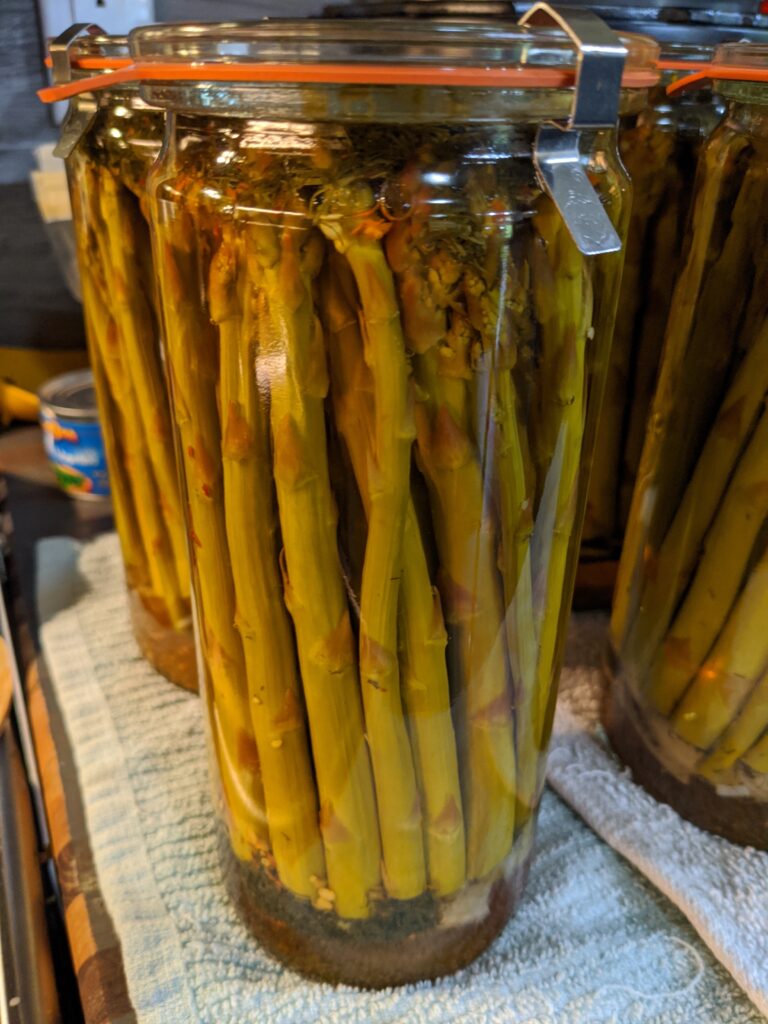
Another system we love is Weck Jars. These German-made jars use a glass lid, a rubber gasket, and metal clips. The glass lids are reusable forever, and the rubber gaskets can be used multiple times, making them another fantastic sustainable option, especially for water-bath canning.
Tips for Sourcing Supplies
- Shop Early: Start looking for lids and jars well before you need them, ideally in the spring.
- Look Beyond Big Box Stores: Check local hardware stores, farm supply co-ops, and even online restaurant supply stores.
- Beware of Fakes: During shortages, counterfeit lids often appear on online marketplaces. Stick with trusted brands from reputable retailers to ensure your food is safe.
The struggle to find supplies can be a challenge, but with a little planning and knowledge, you can ensure you're ready to safely preserve your garden's bounty for the winter ahead.
